Why Does Bamboo Keep Growing Back in Sydney Gardens? Causes, Root Spread and Removal Solutions
Bamboo can provide privacy and greenery in a garden, but it can become difficult to manage when it spreads beyond its original planting area. In Sydney, unwanted bamboo growth can take over garden beds, crowd other plants and spread along fences and property boundaries. Even after the visible stems are cut down, new shoots may continue to appear.
Understanding how bamboo grows and spreads is important when deciding how to control or remove it. Effective removal requires attention to the underground root system, not just the stems visible above the ground.
Why Does Bamboo Keep Growing Back After Cutting?
One of the main reasons bamboo returns after cutting is that its underground rhizomes can remain alive. Rhizomes are modified underground stems that store energy and produce new roots and shoots. If these structures remain in the soil, bamboo may continue growing even after the above-ground stems have been removed.
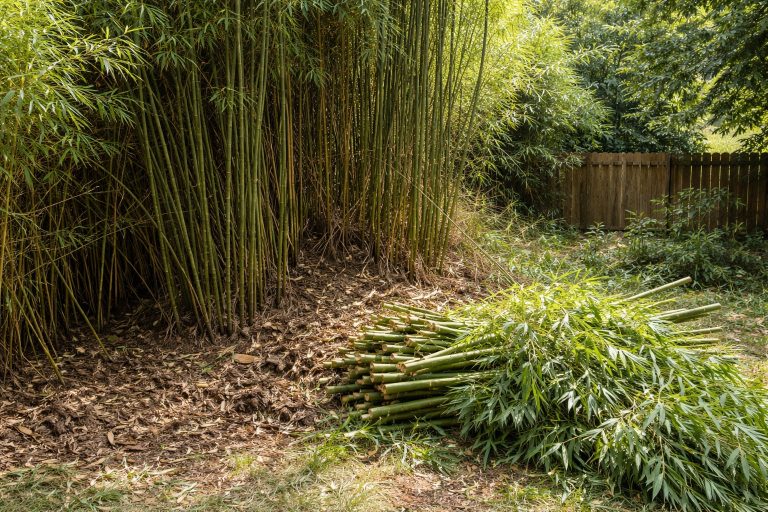
Cutting bamboo down can improve the appearance of a garden temporarily, but it may not eliminate the plant. New shoots can emerge from surviving rhizomes, particularly when the underground growth has spread well beyond the original clump.
For this reason, repeated cutting alone may not provide a lasting solution when bamboo has become established and unwanted.
How Far Can Bamboo Roots Spread in a Sydney Garden?
Bamboo spread depends on the species and its growing conditions. Running bamboo varieties can spread through underground rhizomes that extend away from the original planting area. Clumping varieties generally grow in a more compact pattern, although they can still expand over time.
Uncontrolled bamboo may spread into neighbouring garden beds, along fences, beneath garden edges and towards paths or paved areas. Dense growth can compete with other plants for space, water and nutrients, making garden maintenance more difficult.
Property owners should not assume that removing the visible stems will address growth elsewhere. Where bamboo has spread over a wide area, identifying the extent of its underground rhizomes is an important part of planning removal.
What Problems Can Uncontrolled Bamboo Cause?
Bamboo can become a maintenance issue when it grows beyond the area intended for it. New shoots may appear in lawns, garden borders and narrow spaces where they are difficult to remove. Dense stems can also make it harder to access fences, maintain other plants and keep outdoor areas tidy.
Where bamboo grows close to boundaries, its spread can create concerns for neighbouring properties. Shoots emerging in unwanted locations may require repeated attention, particularly if the underground system has not been adequately controlled.
Bamboo should not automatically be considered damaging to every structure. However, dense or persistent growth near paving, retaining walls and other built features deserves attention so that any site-specific concerns can be assessed.
Why Is Removing Bamboo Roots Important?
The underground rhizome system is a major reason bamboo removal can be challenging. If viable sections remain in the soil, they may produce further growth. The extent of removal required depends on the species, the size of the infestation and how far the rhizomes have spread.
A suitable removal approach may involve cutting back the visible growth and excavating or removing underground rhizomes where practical. The process needs to account for surrounding plants, garden structures, access limitations and the area affected.
Simply removing stems may be sufficient for some short-term maintenance needs, but established bamboo often requires a more thorough approach. Professional assessment can help determine the most appropriate method for the particular garden.
Can Regular Maintenance Stop Bamboo from Spreading?
Regular monitoring can help property owners identify new shoots before they become widespread. Checking garden edges, fence lines and areas near the original planting can make it easier to notice growth outside the intended space.
However, trimming the stems does not necessarily stop underground rhizomes from spreading. Physical barriers may help manage certain bamboo varieties when correctly selected and installed, but existing rhizomes may still need to be addressed.
If bamboo has already spread across a large section of the garden, repeated surface cutting can become time-consuming without resolving the underlying issue. In these situations, a planned removal strategy may be more suitable than ongoing trimming alone.
When Should You Consider Professional Bamboo Removal in Sydney?
Professional assistance may be useful when bamboo keeps returning after cutting, new shoots appear across several parts of the garden, or the root system has spread into difficult-to-access areas. A specialist can assess the growth pattern, determine the likely extent of the infestation and recommend a practical removal approach.
For property owners dealing with established or unwanted bamboo, Green Arbor Professionals’ bamboo removal service in Sydney is a relevant option to explore.
The most suitable approach depends on the bamboo species, the condition of the site and the amount of underground growth present. Removing the visible stems and addressing the rhizomes can help reduce the chance of regrowth, although follow-up monitoring may still be needed.
How Can You Keep Your Garden Clear of Unwanted Bamboo?
The key to managing persistent bamboo is understanding why it returns. Regular inspections can identify new shoots, while a removal plan that addresses underground growth can help prevent the same problem from recurring.
If bamboo has spread beyond its original planting area, acting before the infestation becomes more extensive can make the work easier to manage. With an appropriate removal strategy and continued monitoring, Sydney property owners can better control unwanted bamboo and maintain a more manageable garden.